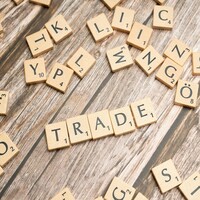



Trade must be part of the solution to end plastic pollution a global problem which disproportionately affects developing countries.
UN SecretaryGeneral Antnio Guterres declared the world has passed the point of no return on the shift to renewables and implored governments to file sweeping new climate plans before Novembers COP30 climate summit in Brazil, saying the fossil fuel era is nearing its end.
The ocean is under siege and greed is to blame. UN Secretary-General Antnio Guterres on Tuesday urged world leaders and grassroots groups to confront the powerful interests driving marine destruction, from illegal fishing and plastic pollution to the accelerating impacts of climate change.
That assessment by UN trade and development body,UNCTAD, comes inan updatepublished on Thursday ahead of the final round of talks to develop a legally binding international instrument against plastic pollution.
Although plastics aredirectly linked to the triple planetary crisis pollution, biodiversity loss, and climate change there is still no comprehensive international treaty governing their composition, design, production, trade, and disposal, UNCTAD said.
Polluting our oceans
In 2023, plastic production reached 436 million metric tonnes worldwide, with the traded value surpassing $1.1 trillion. It also accounted for 5 per cent of total merchandise trade.
However, 75 per cent of all plastics ever produced have become waste, most of which has ended up in the worlds oceans and ecosystems.
This pollution also threatens food systems and human well-being, especially in small island and coastal developing countries with limited capacity to cope.
Support for substitutes
UNCTAD is advocating for tariff and non-tariff measures to support ecologically sustainable plastic substitutes which often are derived from natural sources such as minerals, plants or animals, and can be recycled or turned into compost.
Global trade in these substitutes reached $485 billion in 2023, with an annual growth of 5.6 per cent in developing economies.
Scaling up will require action to address challenges related to tariff and non-tariff measures, limited market access and weak regulatory incentives.
Tariff disparities
UNCTAD explained that a reduction in tariffs on plastic and rubber products over the past 30 years - from 34 per cent to 7.2 per cent has made them artificially inexpensive. Meanwhile, alternatives such as paper, bamboo, natural fibres and seaweed face average tariffs of 14.4 per cent
These disparities in how materials are treated discourage investment in alternative products and hinder innovation in developing countries that aim to export safer and more sustainable alternatives to fossil fuel-based plastics, it said.
Currently, 98 per cent of plastics are derived from fossil fuels, meaning that emissions and environmental damage are expected to rise if left unchecked. In response, many countries are using non-tariff measures such as bans, labelling requirements and product standards.
However, these regulations differ, leading to fragmentation and increased compliance costs. Furthermore, small businesses and low-income exporters struggle in the face of overlapping or inconsistent requirements, thus affecting how they can both participate in and benefit from sustainable trade.
Hope for treaty talks
For UNCTAD, the talks towards the plastic pollution treaty are promising. They began in 2022, with the final round taking place next week at the UN in Geneva.
The treaty would cover the entire life cycle of plastics production, consumption, and waste within a fair and comprehensive framework.
The UN agency said a successful treaty should include tariff and non-tariff measures to support sustainable substitutes for plastic, investment in waste management and circular infrastructure, digital tools for traceability and customs compliance, as well as policy coherence across frameworks reached through the World Trade Organization (WTO); the UN climate secretariat,UNFCCC; the Basel Convention on hazardous waste, and related regional measures.