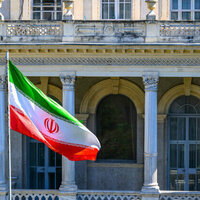


France, Germany and the UK on Thursday triggered the UN snapback mechanism to restore sanctions on Iran, saying Tehran has violated the 2015 nuclear deal. The step coincided with the return of UN inspectors to Iran for the first time since Israels June attacks on its nuclear sites.
Inspectors from the UNs International Atomic Energy Agency (IAEA) arrived in Iran on Wednesday without a clear mission or knowing if they would be allowed into nuclear sites.
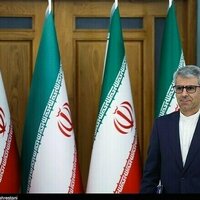
Iranian Foreign Minister Abbas Araghchi told lawmakers that Tehran had not reached an agreement onhow it would resumecooperation with the watchdog.
Iran suspended its cooperation with the IAEA after it failed to condemn Israeli and American strikes on the country's nuclear facilities in June.
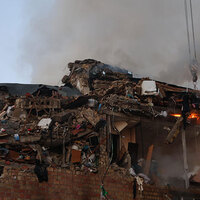
It is unclear how much damage the 12-daywar launched by Israeldid to Irans nuclear facilities, and its large stock of enriched uranium has not been verified since.
Iran nuclear sites suffered 'enormous damage', IAEA chief tells RFI
The Institute for Science and International Security, a research group headed by David Albright, a former UN nuclear inspector, said on Thursday that asatellite image showed a clean-up operationat a nuclear-related site in northern Iran, which will likely remove evidence of any nuclear weapons development.
In order to pressure Iran into cooperating withIAEAinspectors, France, the United Kingdom and Germany an informal security cooperation arrangementknown as the E3 will begin the process of re-imposing UN sanctions on Thursday, according to European diplomats.
After ameeting with Iran on Tuesday, the E3 concluded that Iran had not upheld its commitments under the 2015 agreement, in which itagreed to dismantle much of its nuclear programmeand open its facilities to more extensive international inspections.
Iran and Europe hold Geneva nuclear talks as sanctions deadline looms
The snapback mechanism for imposing sanctions was put in place alongside thisnuclearagreement which fell apart when US President Donald Trump withdrew the US from the deal in May 2018, following which Iran resumed uranium enrichment, in violation of the commitments.
"This mechanism allows countries that are still signatories [to the 2015 agreement] to reimpose sanctions that were lifted by the UN, Hloise Fayet, a researcher at the French Institute of International Relationstold RFI.
The mechanism cannot be overturned by a UN Security Council veto, meaning neither Russia nor China could come to Irans rescue.
The E3 face a mid-October deadline, when their ability to trigger the mechanism will expire.
These are therefore the last few weeks for Western countries to activate the snapback in order to put additional economic pressure on Iran, said Fayet.
The E3 will transfer a letter to the UN Security Council later on Thursday, with the goal of pushing Iran to provide commitments within the 30 days it will take the snapback mechanism to take effect.
Originally published on RFI