

Only once has Australias economy achieved near-perfect health. The newsrooms failed to track and record this for 2025,Alan Austinreports.
A BREAST CANCER SURGEON, many years ago, took a tissue sample from a patient and sent it to the lab for analysis. He then asked his nursing assistant to book the patient in for surgery, certain the lump was malignant. Some days later, after the breast had been removed, the biopsy results were returned showing no cancer at all.
The nurse who recounted this story was privately furious with the doctor. Not for the needless surgery. She was outraged that he refused to advise his patient of the biopsy result, allowing her to live the rest of her life believing one cancerous growth had been excised, and hence more would likely develop in the future.
This is an apt analogy for Australians who trust their news analysts to diagnose social health, warn of malignancy and reassure them when apparent threats turn out benign. Those citizens are betrayed. Newsrooms routinely insist disease has invaded when it simply hasnt.
2025 best year ever
Only once since records were first kept in the 1950s has Australia achieved optimum outcomes through a full calendar year on these four key variables:
- joblessratebelow 4.5%;
- headline inflationbelow 4.0%;
- interest rates within the band 3.0% to 5.0%;and
- annual growth in gross domestic product (GDP) above 2.0%.
The latestreleasefrom the Bureau of Statistics on finance and wealth now completes the picture for 2025, the third full year with TreasurerJim Chalmersmanaging a Labor economy.
The Chalmers' results are the best ever:
- unemploymentstayed between 3.99 and 4.45%;
- headlineinflationfluctuated from 1.89 to 3.81%;
- interestratesranged between 3.60 and 4.35%; and
- annualGDP growthto December was 2.56%.
Given last years intractable wars, Trumps tariff turmoil and other disturbances, this is truly remarkable.
Australia rejoins the global economic eliteThe 2025 fourth quarter results confirm Australias economy is again among the worlds best.
By way of comparison, voters returned theFraser Governmentto office with a healthy majority inOctober 1980.
The Fraser economy at the time showed:
- jobless6.2%;
- inflation11.0%;
- interest rates 11.2%; and
- annual GDP growth 3.6%.
Inflation and interest rates above 11% were not disqualifying.
Citizens also gave theHawke Governmenta solid election win inMarch 1990, despite this profile:
- jobless6.1%;
- inflation7.8%;
- interest rates 17.8%;
- annual GDP growth 3.7%.
That was also considered a job well done.
InMarch 1993,Paul Keatingstrengthened his parliamentary position after generating these outcomes:
- jobless10.8%;
- inflation0.3%;
- interest rates 5.7%; and
- annual GDP growth 2.6%.
Similarly, inNovember 2001, theHoward Governmentwon convincingly with these results:
- jobless6.8%;
- inflation6.1%;
- interest rates 4.8%;and
- annual GDP growth 1.7%.
The more their quality of life improves, the sadder some Australians seem to become.
Constant media mendacity
Those governments could only dream of inflation below 4.0%, where it has been for 27 months. Andinterest ratesbetween 3.0% and 5.0%, the outcome for the last 39 months. And the jobless below 4.5%, the reality now for 51 months.
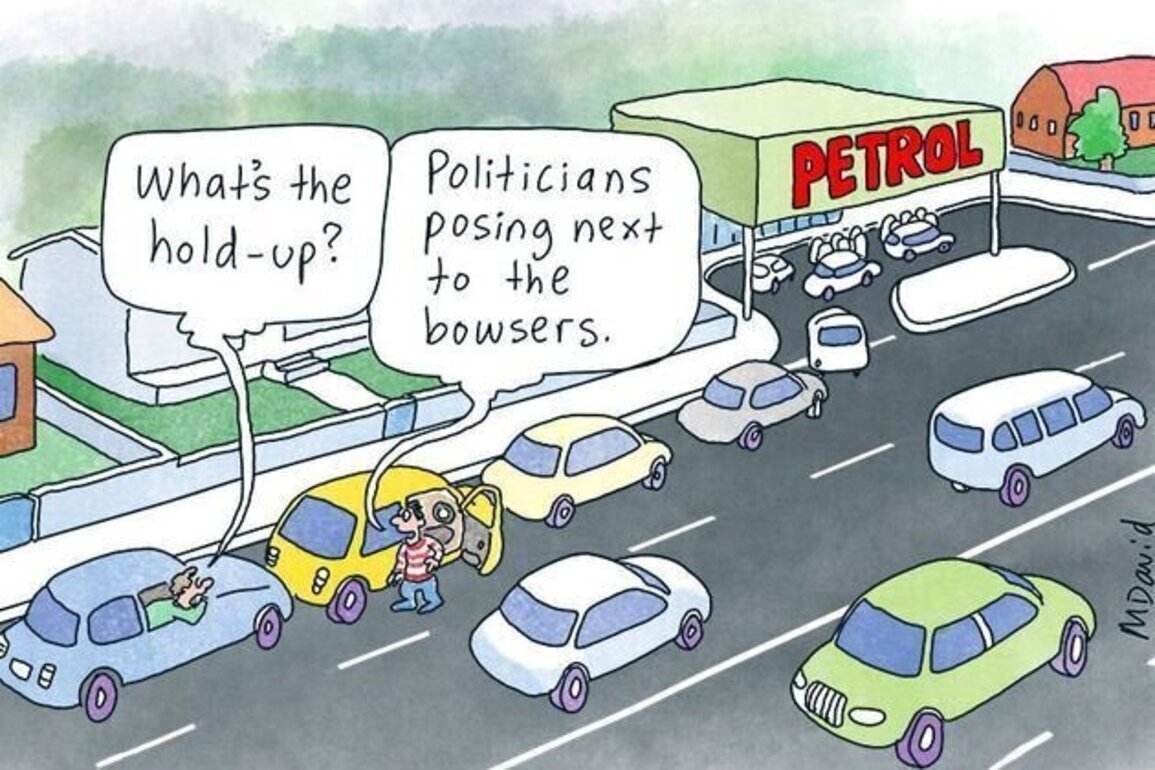
Yet the craven newsrooms insist the Australian dream is "dead", interest rates are a "horror scenario", and a "failed experiment"haunting Australia, whose very "survival"is at risk. They falsely assert the cost of living isa "nightmare", a "crisis", a "rental hell"and a "dire reality"which is "getting crazier".
Commenting on Prime MinisterAlbanesesspeech to the nation about the potential fuel crisis last Wednesday, Patricia Karvelassaid thison ABC News:
Myths about malignant inflation
Australia does not have an inflation crisis. It is higher than perfect, but only slightly. Malcolm Fraser had a baked-in problem at 11.0%.
Recent rate rises are not bleak news and should not elicit a sense of anxiety.
Instead, six realities should be hammered home:
1. Higher interest rates encourage more savings which increase funds available for new home buyers.
2. Historically, elevated inflation and interest rates have enabled Australias high home ownership.
Germany has 2.7% inflation, interest at 2.15% and 47% home ownership. Switzerland has 0.3% inflation, 0% interest and 36%ownership. Australia has 3.76% inflation, 4.1% interest rates and 66% homeownership.
3. Cyclically elevated inflation has increased home values enormously. Extra repayments mortgage holders incur when interest rates rise are returned abundantly later as properties appreciate.
AsJohn Howardmemorablysaidin 2003, when defending interest rates around 5.0%:
4. Rates were below 2.8% for almost ten years from 2013 to 2022. They were below 1% for nearly three. That impoverished countless retirees relying on interest payments to survive.
5. Rates were above 7.0% for 19 years from 1973 to 1992 and higher than 15% for nearly five. That was challenging, but wasnt a horror scenario.
6. Rates between 3.0% and 5.0% offer a fair return for savers without burdening borrowers unreasonably. Todays 4.1% is near perfect.\
Murdoch-led mainstreammedia makes Australians sadThere is a clear reason Australia is tumbling further down the global happiness rankings, Alan Austin reports: mendaciousmedia reporting.
Where are the celebrations?
In most nations, a year with best-ever outcomes would be applauded. But not Australia.
The only residents even aware that last years outcomes are the best on record are those reading this analysis. No other outlet has reported this, as far as thorough searches reveal. This is a great pity when serious global risks loom and the more confidence citizens have in governments the better.
Going though life in dread of a fatal infection which is not indicated by any symptoms actually is a dire situation.
Related Articles
- No longer true that the rich keep getting richer as the poor get poorer
- Rejoice! Some fabulous surprises in the latest economic news
- Australia rejoins the global economic elite
- Why citizens in such a wealthy country are angry and depressed
- Bad news on Australias economy at last thank goodness!