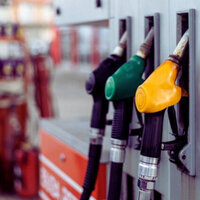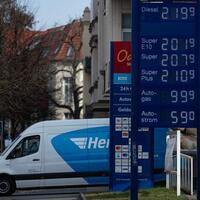


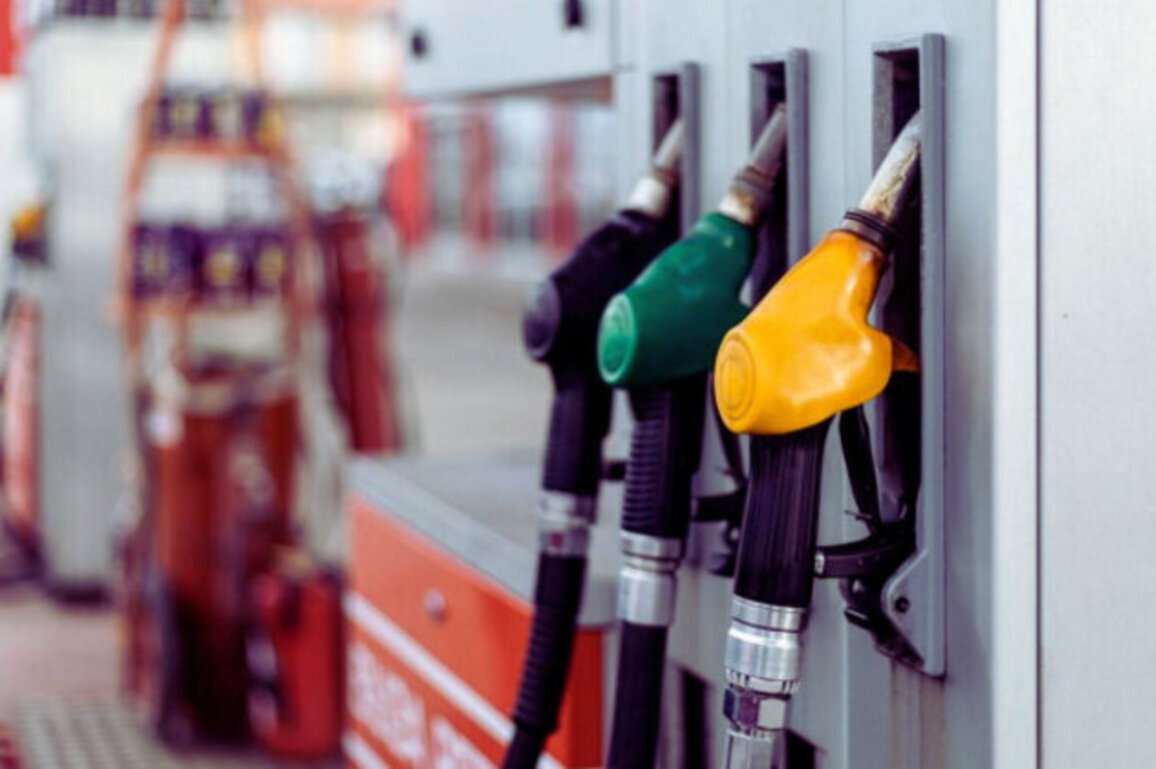
Fuel prices across Bulgaria continue their steady upward movement, with both gasoline and diesel registering new daily increases. Over the past 24 hours alone, the average price of diesel rose from ?1.54 to ?1.57 per liter, while the most widely used gasoline climbed from ?1.40 to ?1.42 per liter, confirming a persistent trend of gradual but constant growth.
The upward pressure is closely tied to developments on global markets, where oil prices have surged sharply. According to industry data, the price of Brent crude has increased by more than 60% within a month, although there have been slight fluctuations in recent days, with levels easing from around USD 115?116 per barrel to approximately USD 108-109. Despite this temporary stabilization, experts warn that the overall situation remains unfavorable for consumers.
Local fuel retailers are already feeling the effects. In the Burgas region, prices have risen by around 5 euro cents over two days, including a 2-cent increase within just 24 hours. Observations at smaller gas stations confirm the broader national pattern. One site manager reported current prices of around ?1.40 for A95 gasoline, ?1.55 for diesel and ?0.65 for gas, noting that the market remains highly volatile and that price increases are occurring almost daily.
The rising costs are beginning to reshape consumer behavior. Drivers are increasingly limiting their spending, with typical refueling amounts now ranging between ?20 and ?50. Full tank refills are becoming less common, as households adjust fuel consumption to fit tighter budgets.
Industry representatives caution that even a potential end to the Middle East conflict would not immediately reverse the trend. Damage to energy infrastructure, including facilities in key producers such as Qatar, is expected to have long-term consequences, with some estimates suggesting that full recovery could take two to three years.
Economists have also warned against administrative interventions such as price caps. According to analysts, such measures could disrupt the market, trigger panic buying and force suppliers to operate at a loss, ultimately worsening the situation rather than stabilizing it.
Against this backdrop, Vice President Iliana Yotova called for a broader and more coordinated response to rising prices. Speaking in Pernik, she stressed the need for a comprehensive package of measures, noting that fuel price increases are likely to feed into the cost of goods and services across the economy. She described the current international environment as worsening and expressed disappointment with the lack of concrete outcomes from the recent EU summit in Brussels, adding that member states appear to be left to act individually.
Yotova acknowledged the recently proposed ?20 fuel support for vulnerable groups as an initial but limited step, emphasizing that its effectiveness will depend on how it is implemented. She indicated that further discussions are planned, including meetings with the Consumer Protection Commission and government representatives, as authorities continue to search for ways to respond to the growing pressure on households and businesses.